Montreal real estate in 2026 is shaping up to feel a lot more normal than the extremes of the pandemic years. Prices are expected to grow modestly, buyer activity should rebound as interest rates stabilize, and the market will reward preparation more than emotion.
That said, good properties—well located and well priced—will still attract strong interest.
This 2026 playbook is designed to help buyers and sellers start the year on solid footing if they plan to make a move in Montreal over the next 12 months.
Montreal Real Estate Market Outlook for 2026
After a slower stretch in 2024 and 2025, national and provincial forecasts point to renewed buyer activity in 2026, supported by more stable interest rates and pent-up demand. In Greater Montreal, the outlook remains relatively resilient. Quebec continues to benefit from steady population growth and fundamentals that are stronger than in many other provinces.
For buyers, this means more choice and slightly less pressure than during peak boom years—but decisive action will still be required for well-priced homes in desirable neighbourhoods.
For sellers, it means the market will reward realism. Data-driven pricing and proper preparation will matter far more than optimism or headlines.
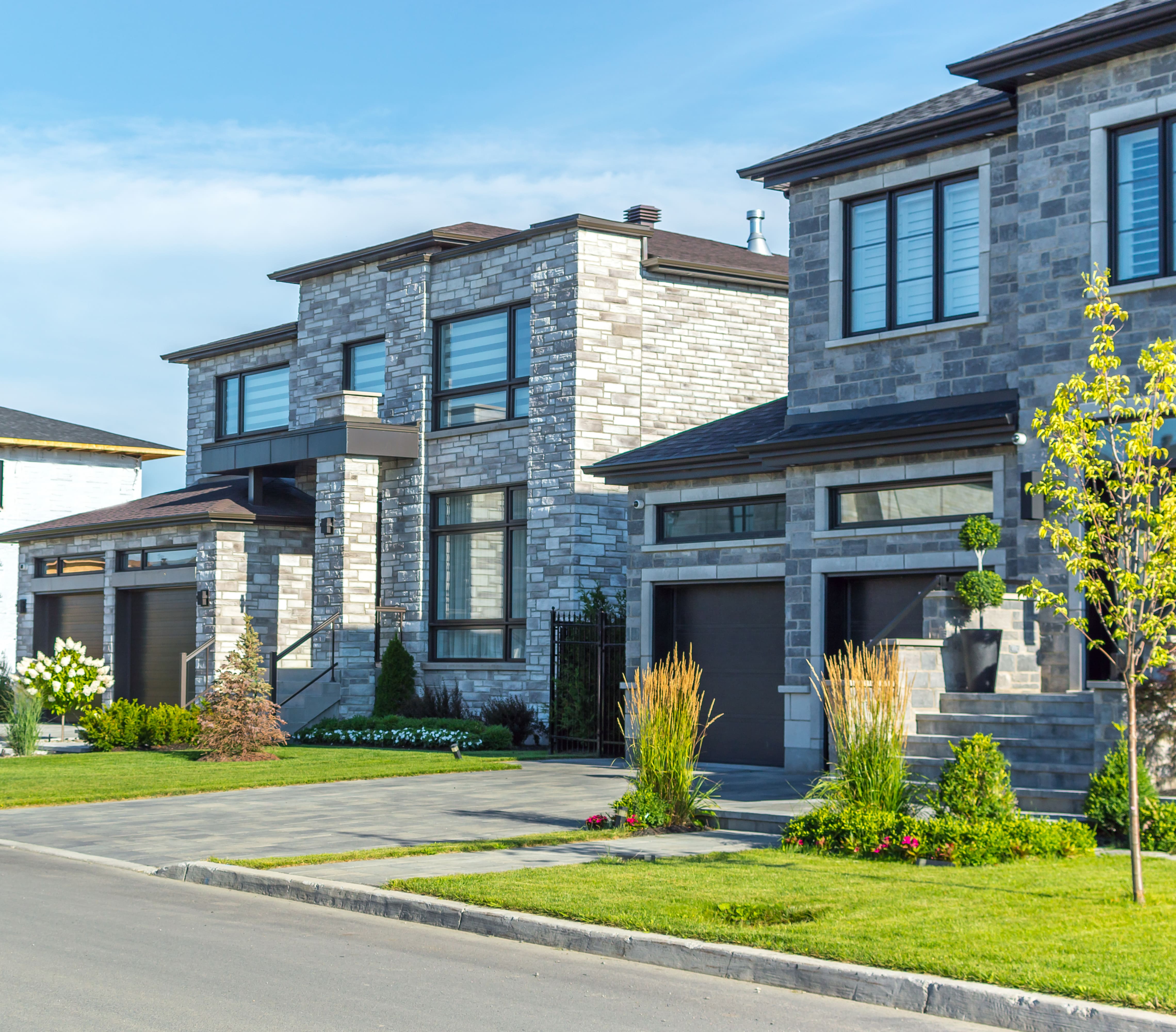
Selling a Home in Montreal in 2026: Why the First 90 Days Matter
Sellers who use January through March to prepare often enjoy smoother transactions, stronger offers, and fewer surprises once they hit the market. Think of the first 90 days of the year as your setup phase.
Timing Before Everything Else
Start by deciding when you actually want to move—not simply listing “in the spring” because everyone else does. Your timing should align with your next step, whether that’s buying another property, downsizing, or relocating, so you’re not forced into weak decisions later.
As buyer confidence improves in 2026, spring and early summer are likely to be active periods. That said, well-prepared homes can also perform very well just before the main rush, when inventory is lower but motivated buyers are already paying attention.
Pricing With Data, Not Headlines
Pricing based on headlines or neighbourhood chatter is risky. A sound strategy starts with recent comparable sales in your specific area and property type, adjusted for condition, size, and unique features—and then layered with realistic 2026 market expectations.
Forecasts suggest modest price growth in a more balanced market. Overpricing often leads to longer days on market and eventual price reductions that hurt your final result. Competitive pricing within a tight, realistic range remains the most effective approach.
Preparation Still Pays
Buyers in 2026 are still willing to pay for move-in-ready homes, especially in urban and family-friendly neighbourhoods, but they are more selective and rate-sensitive than before.
- Fixing obvious maintenance issues so the home feels well cared for
- Refreshing paint and inexpensive fixtures to modernize the space
- Decluttering and depersonalizing so buyers can imagine themselves living there
For some properties, a pre-listing inspection or a review of condo documents can reduce friction and build buyer confidence. Even light professional staging can significantly improve perceived value and online visibility.
The First Week Sets the Tone
The first week on the market is when serious buyers are watching. A strong launch includes professional photography, a clear and compelling description, and a thoughtful showing strategy.
In a 2026 market that is active but cautious, a polished first week can be the difference between strong momentum and a listing that stalls.
Buying Property in Montreal in 2026: Be Ready Before You Shop
Many buyers entering the 2026 market will be returning after waiting out higher interest rates. Preparation is what separates confident buyers from frustrated ones.
Know Your Numbers
Before booking visits, get clear on what you can comfortably afford, not just what a calculator suggests. While stable rates may improve affordability for some buyers in 2026, borrowing costs still matter.
Key steps include reviewing your finances, checking your credit, and securing a pre-approval that reflects current rules and realistic rate expectations.
Define Your Buy Box
Montreal is a city of micro-markets. Without focus, buyers burn out quickly.
- Two or three primary neighbourhoods, plus one realistic backup
- A defined price range with a firm upper limit
- A property type that matches your lifestyle and tolerance for maintenance
Clear criteria make good opportunities easier to recognize.
Follow Sold Data, Not Asking Prices
Asking prices only tell part of the story. Sold prices, days on market, and local trends are what matter.
In 2026, some condo segments may remain balanced, while well-located family homes and renovated plexes may see renewed competition. Using real data allows buyers to adjust their strategy intelligently.
Make Competitive but Safe Offers
Strong offers in 2026 are about more than price. Sellers value certainty and clean execution.
That means choosing conditions that match the property and your risk tolerance, grounding your offer in recent sales, and staying organized throughout the process. Prepared buyers often beat higher but poorly structured offers.

Choosing the Right Montreal Neighbourhood in 2026
Neighbourhood differences will matter even more in 2026. Some areas will grow faster, others will stabilize.
Key factors include local price trends, transit access, schools, parks, services, and the type of housing stock. A neighbourhood-specific strategy helps buyers stretch their budget and helps sellers understand how their property compares to current competition.
Your Next Step: A Clear 30-Day Plan
Markets like 2026 reward preparation, not urgency. The clients who do best are the ones who take 30 days to get clear—on timing, numbers, neighbourhoods, and realistic options—before emotions take over.
If you’re thinking about buying or selling in Montreal this year, the most useful next step is a short, focused conversation to build a personal 30-day action plan based on your situation, your property, and the neighbourhoods you care about.
No pressure. No generic advice. Just clarity.